
Writing was the last thing I ever imagined myself doing. In school, I dreaded long-form writing exercises—book reviews, blogs, and letter writing, to name a few. But today, I enjoy writing. The journey has been long but incredibly rewarding. Writing does not come naturally to me; it is an acquired skill born out of necessity.
During my career transition, I landed an internship at a digital marketing agency where I wrote blogs for clients. The topics revolved around their businesses, providing value to regular readers. Initially, it was challenging, but over time, I improved.
Recently, I have been writing articles, and this is one of them. This is my first attempt at compiling my thoughts and experiences into a personal journal. I take a long time to complete an article and follow a particular process. While brainstorming my next piece, I thought—why not write about my writing journey? Here are some tips that have helped me get started.
The Start
1. Read, Read, and Read
Nothing compares to reading. Whether books, articles, or newspapers, reading is essential. It helps build perspectives, expands knowledge, improves sentence construction, enhances storytelling skills, and refines word choice. Reading also teaches how to build a compelling narrative by integrating data, quotes, and personal anecdotes.
2. Research
This step closely resembles the previous one but goes deeper into specific topics. Research involves gathering materials, analyzing data points, and exploring different perspectives from various writers. For example, if I want to write about fitness, I would explore multiple angles—how to start a fitness journey, whether age is a factor, the necessity of medical advice, and insights from fitness influencers versus those who use fitness to overcome illnesses or lifestyle problems.
3. Take Short Notes
Taking notes has always been incredibly helpful. Sometimes, when I sit down to write, I struggle with ideas. So, whenever I come across something interesting or a relatable thought, I jot it down. My first draft is often a compilation of all these notes.
4. Create a Structure
The final step is structuring the content. I usually share my daily experiences with my mother, narrating them sequentially while expressing my thoughts and emotions. I apply the same approach to my blog—crafting a coherent narrative that conveys my message clearly.
5. Improvise
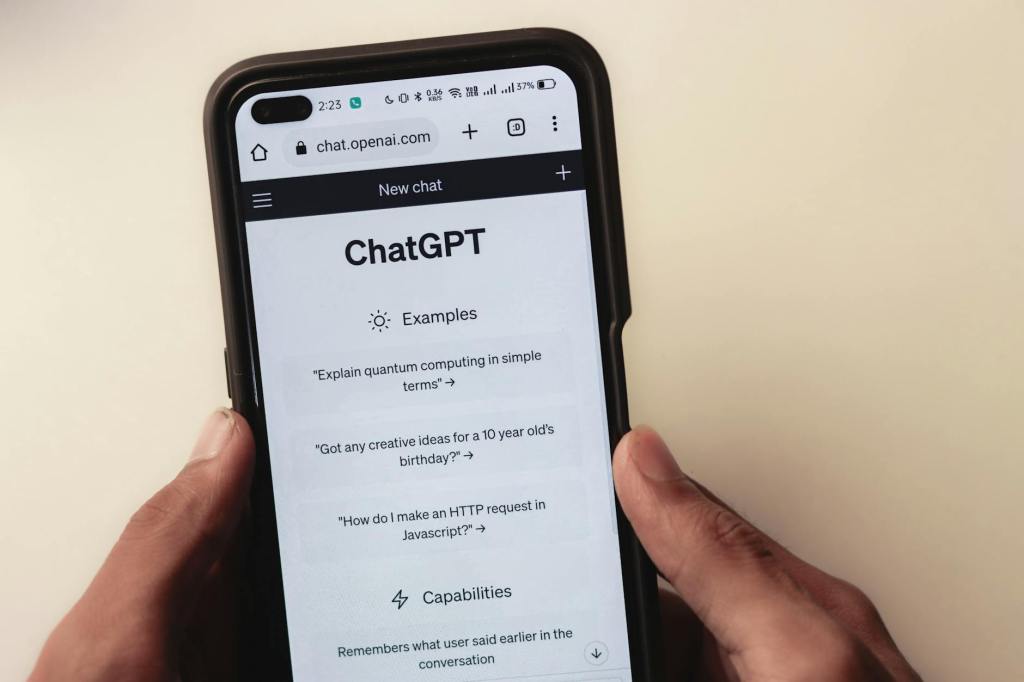
The last step is refining my writing. I revisit my draft to find better adjectives, phrases, and transitions to enhance coherence. Once I complete a final draft, I seek feedback from my team or close ones. Lately, I have also used ChatGPT for feedback, which provides insights on sentence construction, word choices, and editing improvements.
Building The Skill
I took a few online writing courses, and some certification programs helped me get started. However, with recent technological advancements, my advice is simple—just start writing. The first few pieces may not be perfect, but continuous practice leads to improvement. By reviewing AI-generated edits, I have learned about sentence structures and word usage.
At times, AI edits made my writing sound like a different person, but getting feedback and refining my work felt like seeking a friend’s opinion. Writing is an experiential learning process—something we truly grasp only by doing.
I started enjoying writing more when I did it for myself. Writing what I like and expressing my voice through different ideas made the process more fulfilling. It was not about perfection but was more about documenting my thoughts and experiences. The more I write, the more I connect with my thoughts, and that’s what keeps me going.






 Yourstrulyme
Leave a comment