When I switched careers and joined a digital marketing agency, the first thing I was introduced to was SEO. I remember spending hours writing blogs, adding keywords, editing meta tags, fixing link titles and descriptions — all to make sure the content ranked well. That was my introduction to how the internet worked behind the scenes.
Five years later, here I am, on a career break, reading about how SEO has evolved into something called AEO. It made me pause for a bit. The terms are new, the tools are different, and the way people search today feels like a whole new world. So I decided to dig into it — to understand what AEO really means, at least from what I’ve read and observed so far.
The Way We Search Has Changed
Back then, searching was simple. You’d type a few words — “10 day trip Alaska” or “best places to visit in winter” — and then scroll through a bunch of links hoping to find something useful.
Now, people talk to search engines like they’re people. “How do I plan a 10-day trip to Alaska?” — that’s how we ask. And in seconds, AI tools throw up full answers: where to stay, what to see, when to go. You don’t even need to click on a website anymore.
That shift changes everything. It changes how we find information, but also how businesses show up online.
From Keywords to Conversations
Earlier, brands used “keywords” — those bits and pieces of a phrase — to help their websites rank higher. It was all about being discovered by search engines.
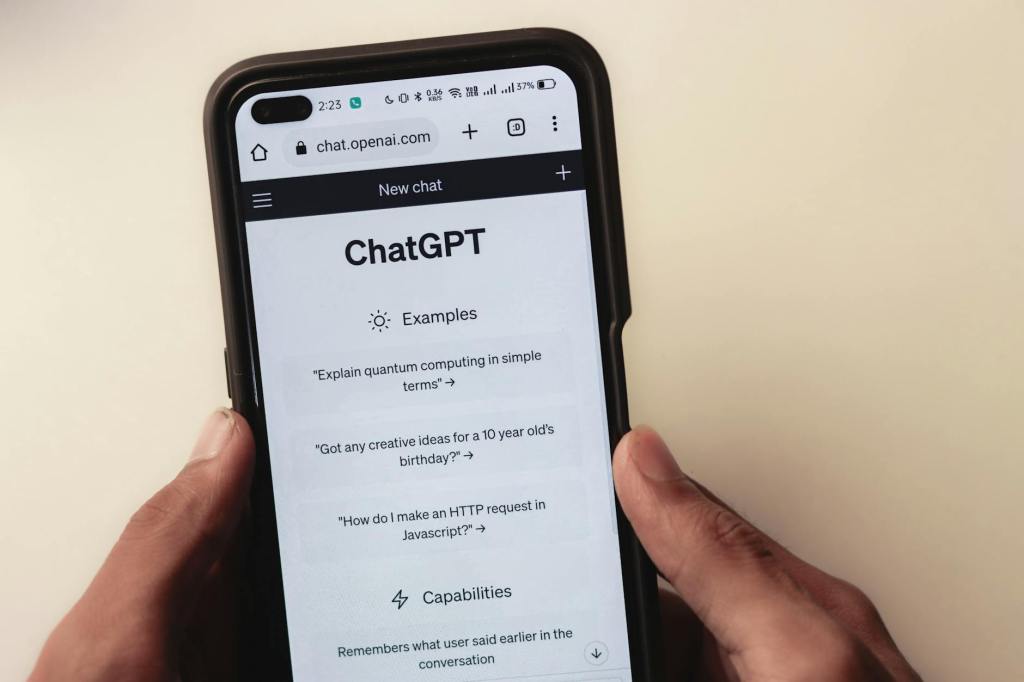
But now, with AI assistants like ChatGPT or Google’s new previews answering directly, it’s no longer enough to just appear in the search results. Brands need to be part of the answers.
That’s where AEO — Answer Engine Optimization — comes in. It’s about writing content that fits how people naturally ask questions. Clear, structured, and factual — something AI tools can easily pick up, summarize, and share.
What It Means for Brands
From what I understand, AEO is less about chasing clicks and more about building trust and credibility. If an AI tool quotes your content — say, “As mentioned by HubSpot…” — that one line already puts your brand in a place of authority. Even if users don’t visit your website, they remember the name.
That feels like a big shift — from visibility through traffic to visibility through trust.
It makes me wonder how this will change the way we create content. Maybe in a few years, the idea of writing just for ranking will feel outdated. We’ll be writing to sound genuine, helpful, and human — because that’s what these systems pick up.
AEO feels like SEO growing up — evolving with how we talk, think, and look for things online. It’s fascinating, but also a little strange to think about how fast this has all changed.
I’m still figuring it out, reading, connecting the dots. But it reminds me why I love being in this space — it never stops changing, and every time it does, it teaches you to look at things a little differently.







Leave a comment