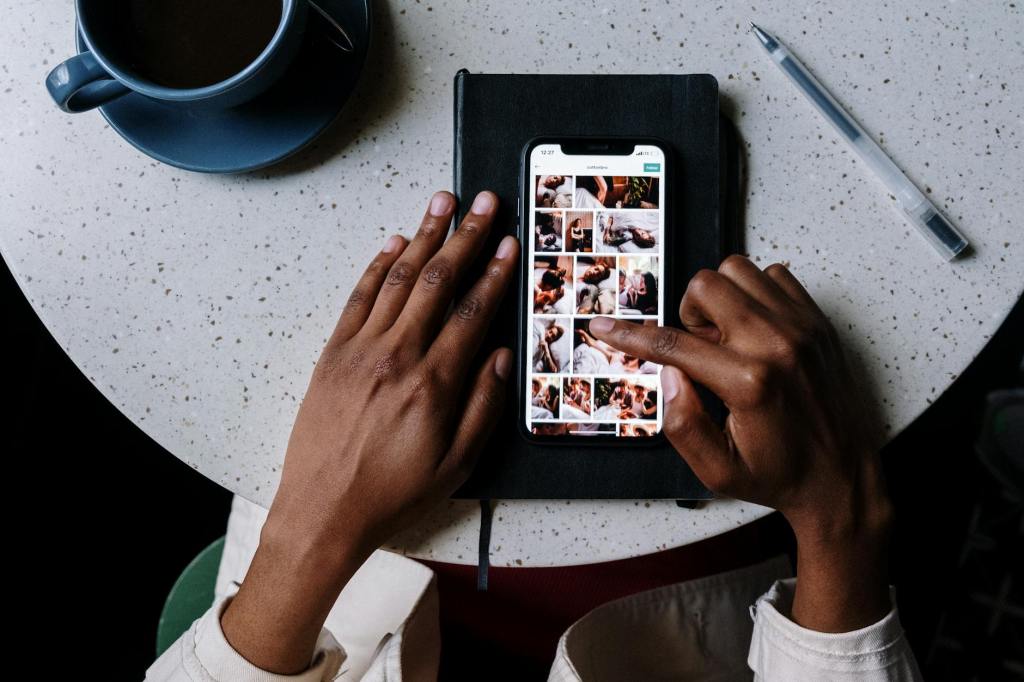
There’s information everywhere. Everyone seems to be a content creator in their own way. For me, this was overwhelming. I had entire days to myself, yet I often complained about not having enough time to do the things I wanted. My desires and goals just piled up endlessly in my to-do list.
Scrolling felt easier. I loved the instant gratification—it was a way to kill time with no effort. For a while, it gave me relief from responsibilities. Through likes and reels, I lived a million lives from the lens of content creators. But slowly, that comfort turned into discontent. I was only consuming, not creating. And it all traced back to one thing—social platforms.
Shifting Perspective
There’s no escaping digital advancements. Complaining about them might bring momentary solace, but it’s not a solution. My frustration nudged me towards a perspective shift. Instead of quitting completely, I decided to minimize my time on social media.
I also reminded myself: these platforms aren’t inherently bad. They’ve made learning easy, broken barriers of connection, and given many businesses the opportunity to grow. But reducing the time I spent on them—even by a little—made a huge difference.
The First Step
I began by checking my screen-time stats. To my shock, I was spending nearly 1.5 hours daily on just one platform. That was a significant chunk of my day! So I set a limit of 30 minutes a day. It’s only been a week, but I already feel the difference.
I suddenly have more time, energy, and motivation for other things. For instance, I’ve been meaning to write a blog for ages—and here I am, finally doing it. This piece itself is proof that cutting down digital time works.
Finding Inspiration Differently
Another change I noticed: I still consume content, but now it’s intentional. I search for what I want, use it as inspiration, and then step away. I no longer linger mindlessly. I’m more aware of what I do, and when I do it.
Embracing Boredom
One unexpected gift of reducing screen time has been boredom. Earlier, social media filled every empty moment. Now, without that constant entertainment, I get bored—and I enjoy it. That boredom has given me space to think, reflect, process my experiences, and channel my ideas towards goals and manifestations.
Wellness Wins
The impact has been visible on my wellness too. No screen time before bed means less stimulation at night, which translates into better sleep. And good sleep has a cascading effect: higher energy, more motivation to exercise, and overall better health.
These are just baby steps towards a healthier life. But I can confidently say reducing screen time has had a bigger role than I ever imagined. Celebrating these small wins matters—because, in the end, our identity is shaped through everyday healthy habits.
I’ll keep experimenting and maybe share more updates as I go along. For now, I’m just glad I started.






 Yourstrulyme
Leave a comment